Como jogar I Ching?
setembro 30, 2019
Livros de Jorge Xerxes em PDF
janeiro 13, 2019
Seguem abaixo os arquivos PDF de todos os cinco livros de Jorge Xerxes para baixar gratuitamente. Boa Diversão!
Livro 1) As Cinquenta Primeiras Criaturas
capa_jorge_xerxes_as_50_primeiras_criaturas
miolo_jorge_xerxes_as_50_primeiras_criaturas
Livro 2) Para Pescar a Lua
para_pescar_a_lua_jorge_xerxes_capa
para_pescar_a_lua_jorge_xerxes_livro
Livro 3) Trama e Urdidura
capa_jorge xerxes_trama_e_urdidura
livro_jorge xerxes_trama_e_urdidura
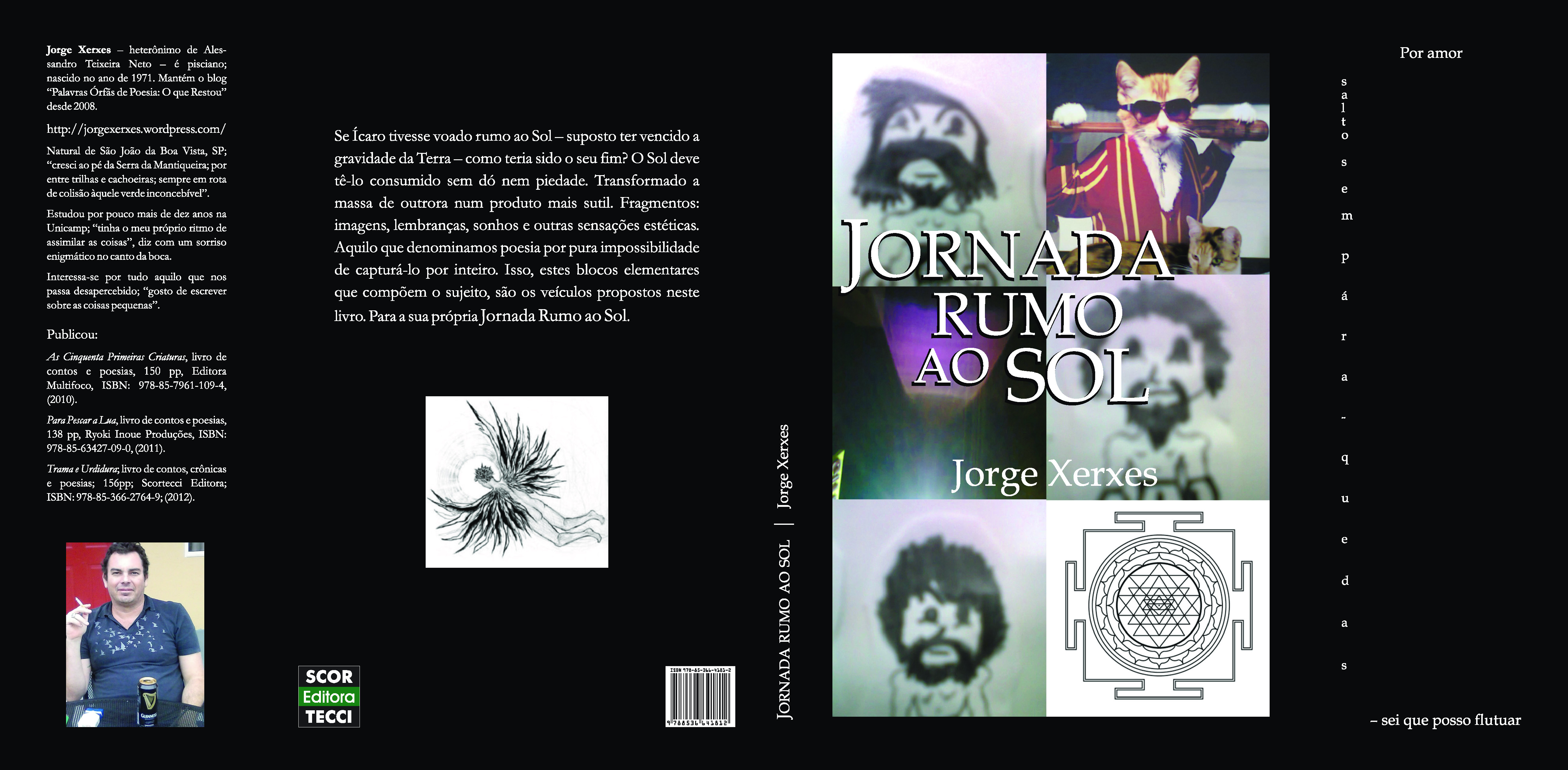
Livro 4) Jornada Rumo ao Sol
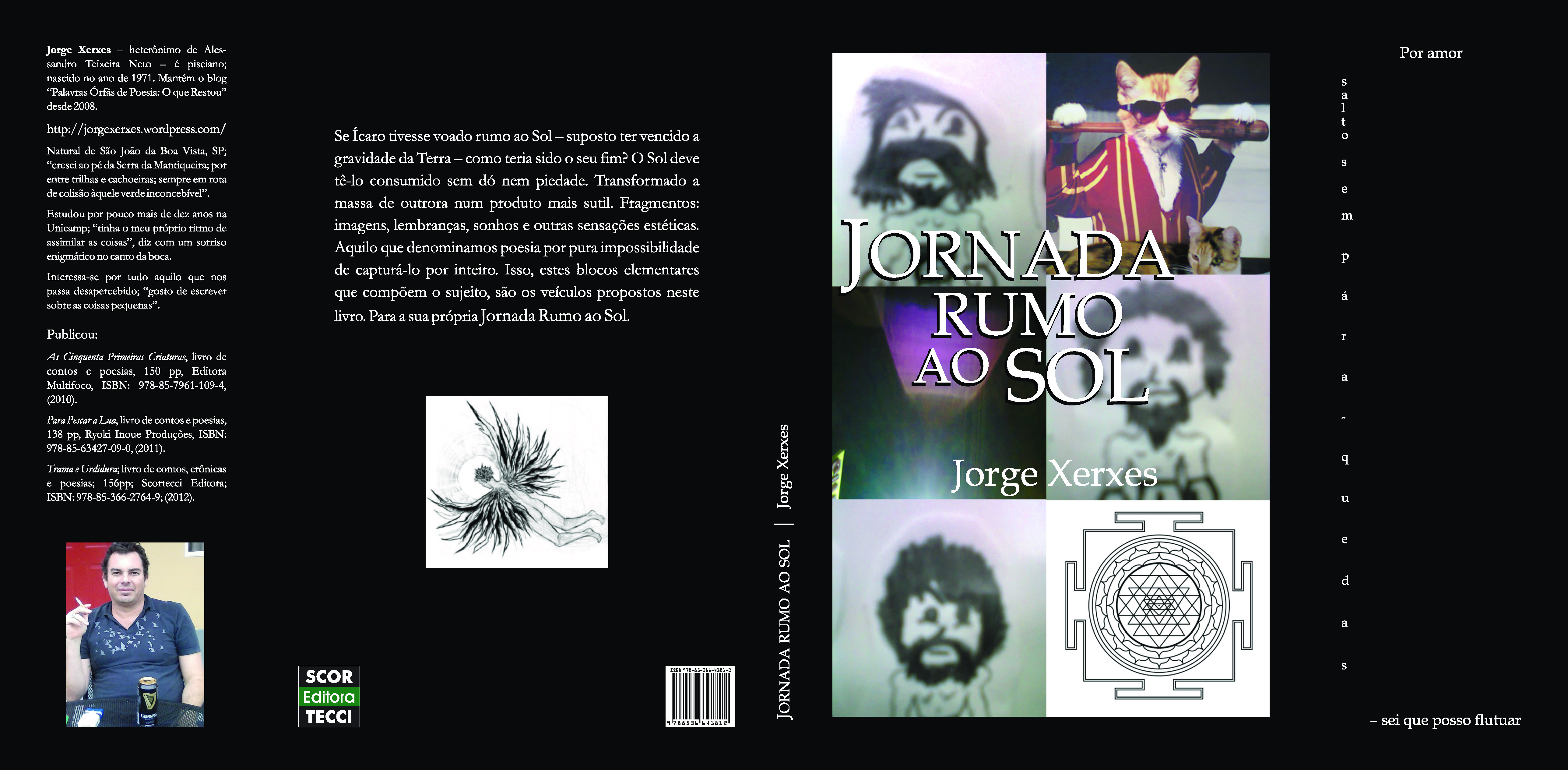
livro_jorge_xerxes_jornada_rumo_ao_sol
Livro 5) O Livro do Que
Jornada Rumo ao Sol Free PDF
dezembro 4, 2018
Livro na íntegra publicado originalmente em 2015.
Abaixo os arquivos para o download gratuito:
livro_jorge_xerxes_jornada_rumo_ao_sol
Trama e Urdidura Free PDF File
novembro 3, 2018
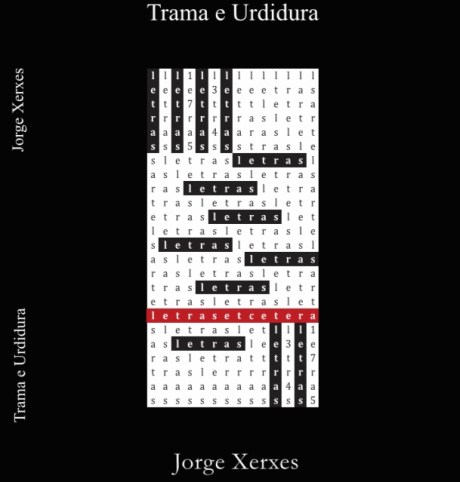
Os arquivos abaixo apresentam a capa e o miolo do livro ‘Trama e Urdidura’, em versão PDF gratuita para o download. Este é o terceiro livro de Jorge Xerxes, lançado originalmente em novembro de 2012.
Estou disponibilizando a versão digital de ‘Trama e Urdidura’ em comemoração aos dez anos do blog ‘Palavras Órfãs de Poesia: O que Restou’, que serão completos em breve, daqui a exatamente um mês, no próximo dia 03 de dezembro.
Boa Diversão!
capa_jorge xerxes_trama_e_urdidura
livro_jorge xerxes_trama_e_urdidura
O Livro Do Que (Free PDF File)
março 28, 2018
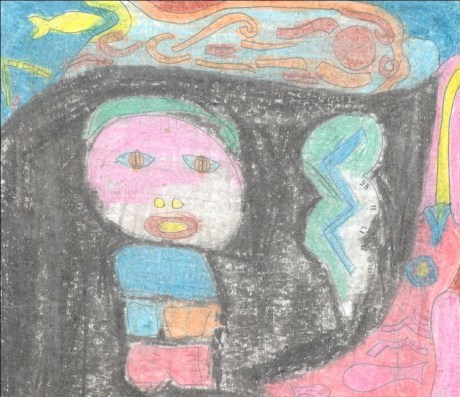
<< Intro >>
deixe suas roupas
esqueça o que você já sabe
seu medo
jogue-o para o alto
seus pensamentos devem ser colocados no bolso da calça
a calça no cesto
para lavar
erradicar os maus pensamentos
ponha um chapéu a sua frente
sapato à esquerda
você no meio
agora tome em uma das mãos o coração
e o que restou
no meio ainda há você
e a seu lado
tudo pode ser você
sapato à esquerda
seu medo
jogue-o para o alto
Jorge Xerxes mantém o blog “Palavras Órfãs de Poesia: O que Restou”, desde Dezembro de 2008.
“O Livro Do Que”, o seu quinto livro, está disponível no link abaixo em versão pdf livre para o download.
Jorge Xerxes publicou também:
“As Cinquenta Primeiras Criaturas”, Livro de Contos e Poesias, 150pp, Editora Multifoco, ISBN: 978-85-7961-109-4, (2010).
“Para Pescar a Lua”, Livro de Contos e Poesias, 138pp, Ryoki Inoue Produções, ISBN: 978-85-63427-09-0, (2011).
“Trama e Urdidura”; Livro de Contos, Crônicas e Poesias; 156pp; Scortecci Editora; ISBN: 978-85-366-2764-9; (2012).
“Jornada Rumo ao Sol”; Livro de Contos e Poesias; 132pp; Scortecci Editora; ISBN: 978-85-366-4181-2; (2015).
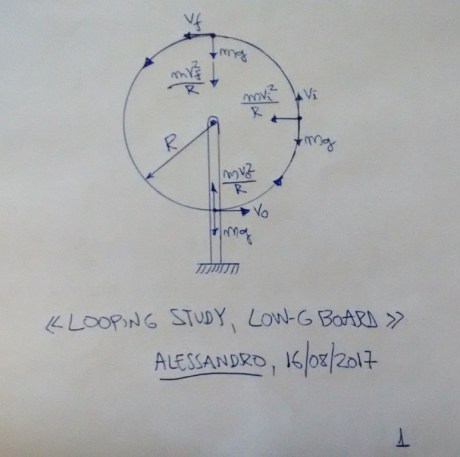
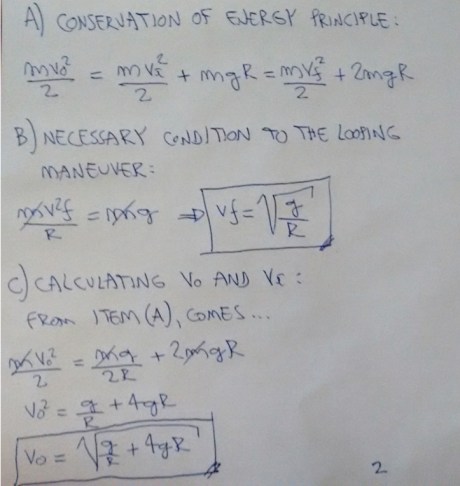
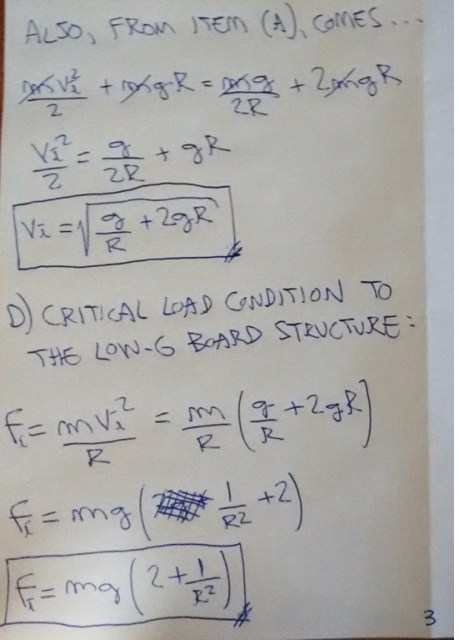
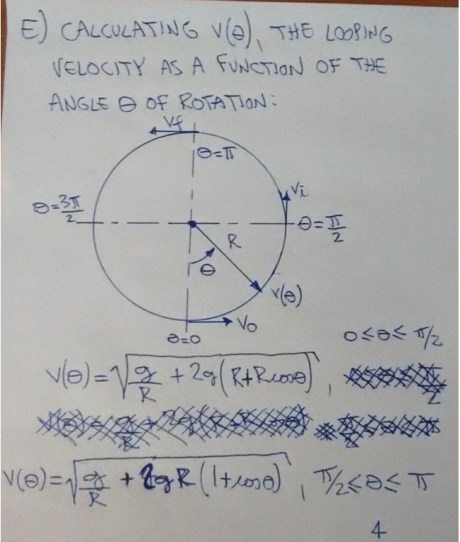
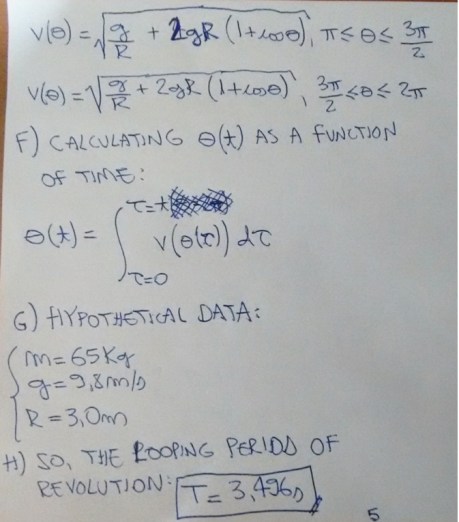
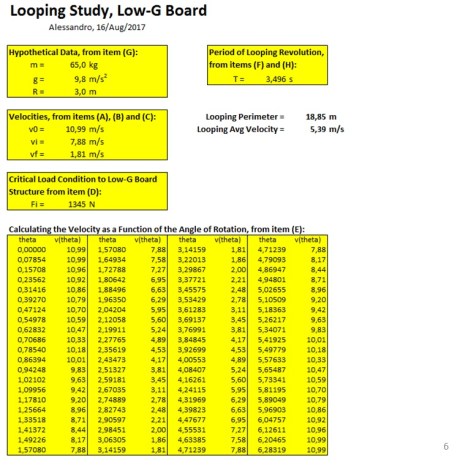
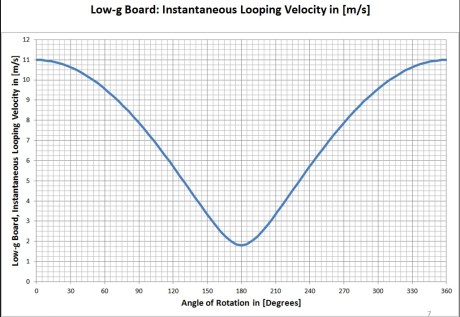
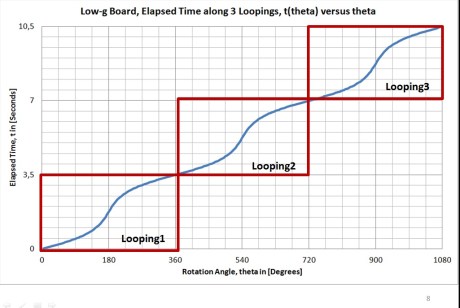
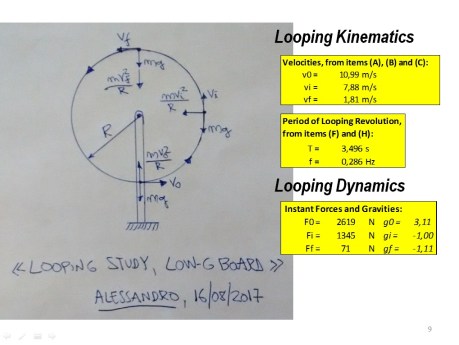
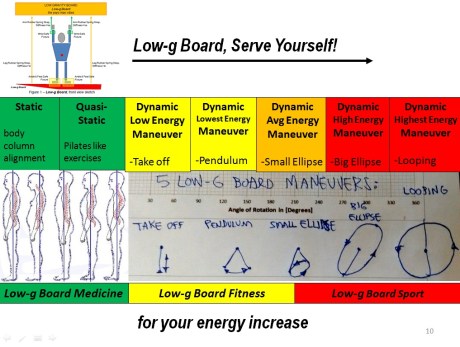
Low Gravity Board
julho 10, 2017
Low-g Board – Concept & Design
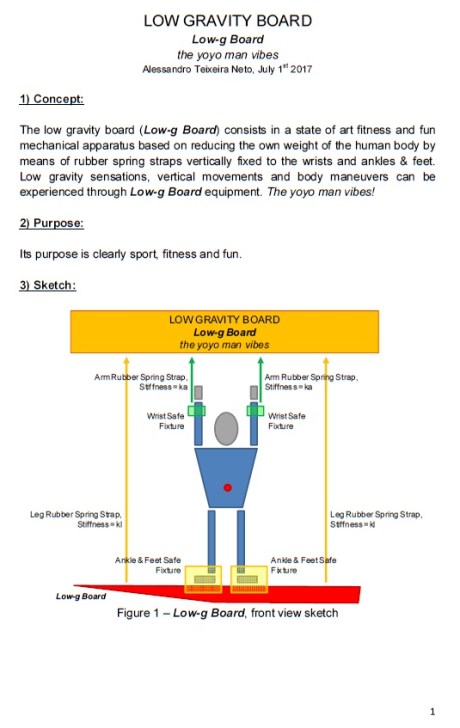
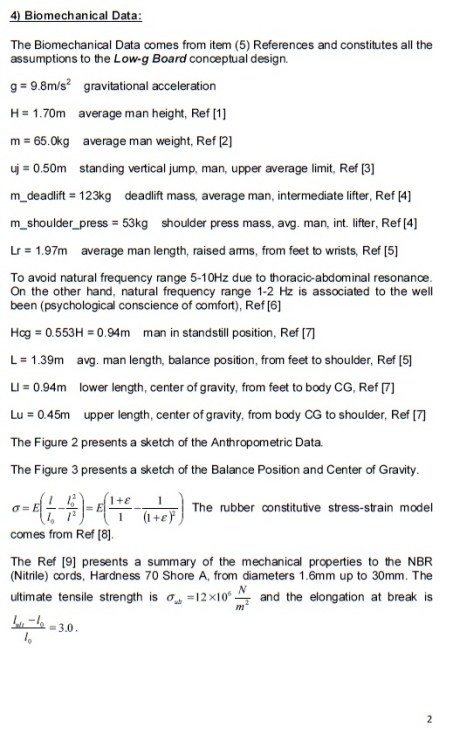
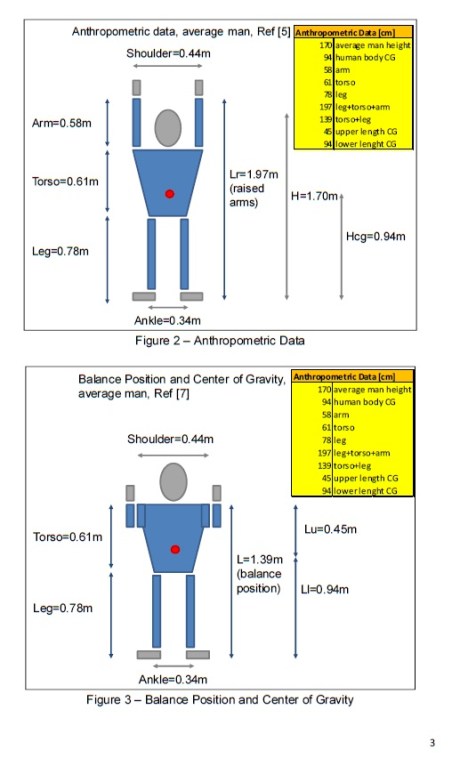
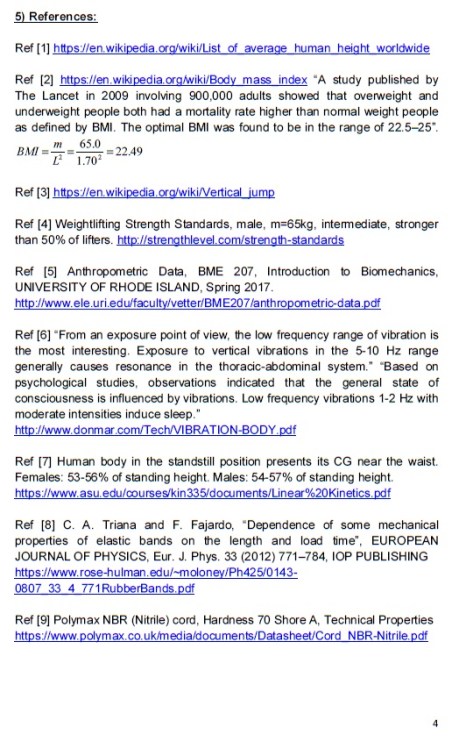
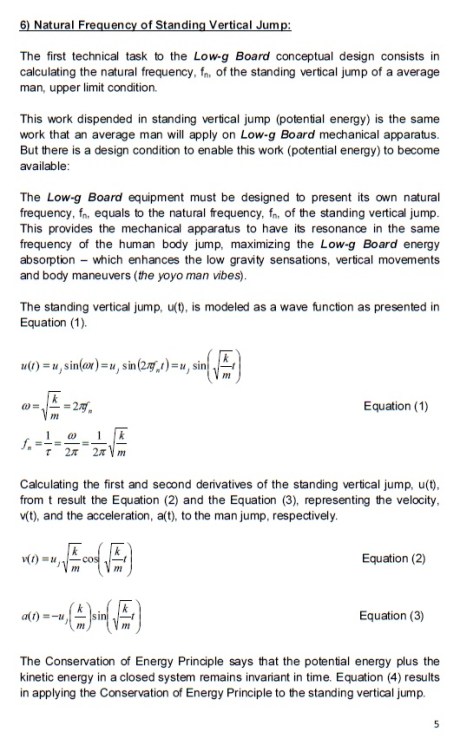
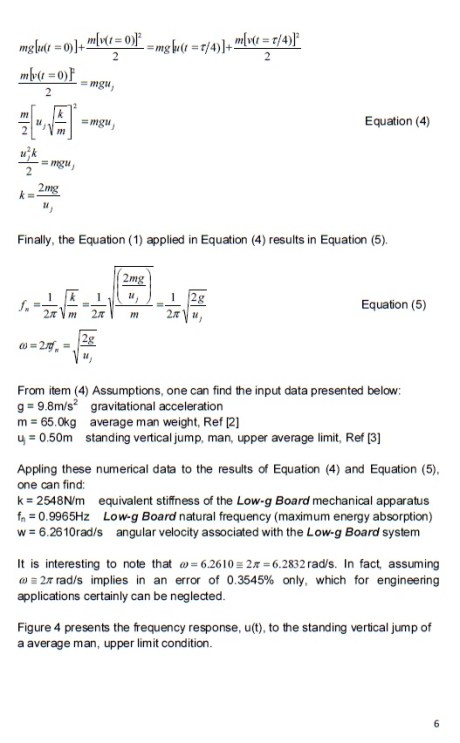
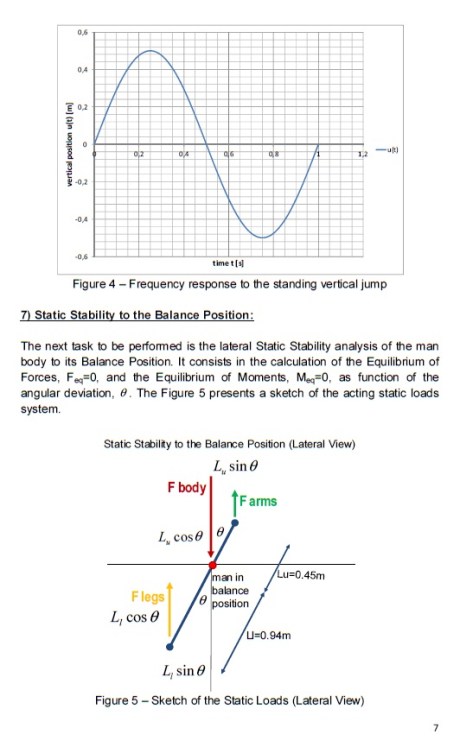
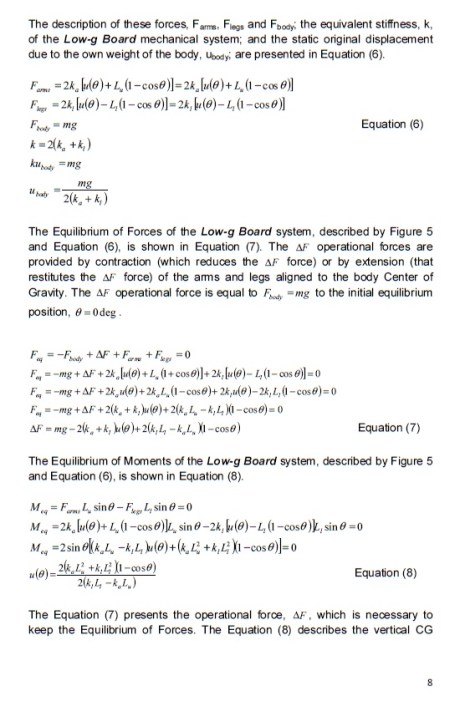
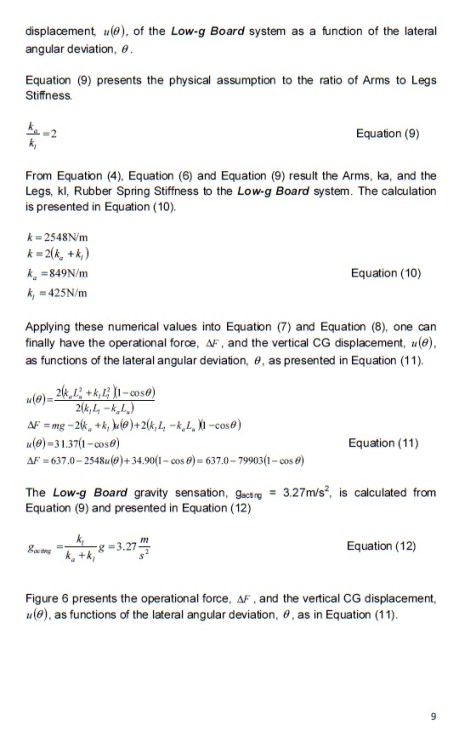
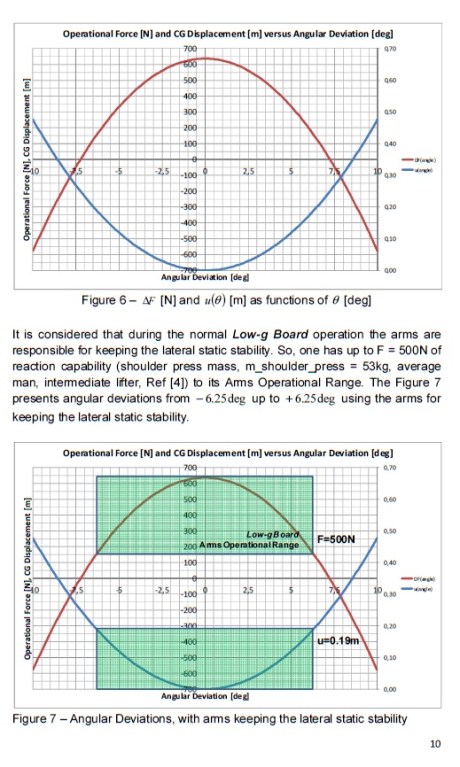
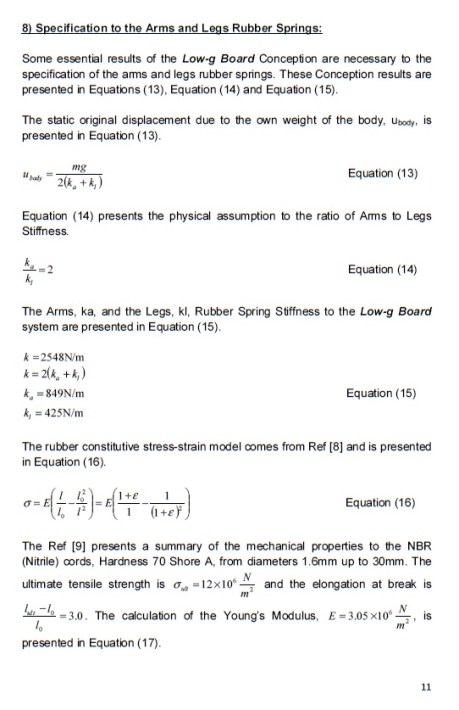
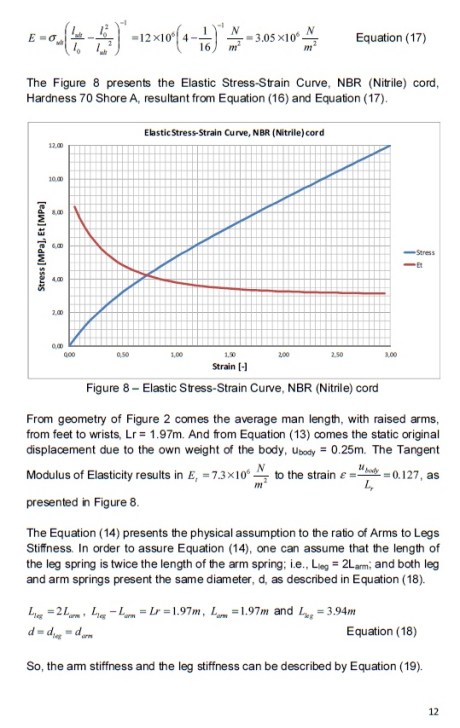
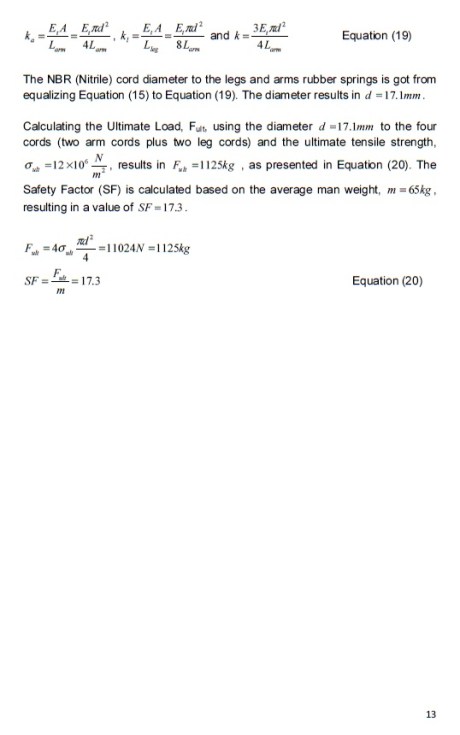
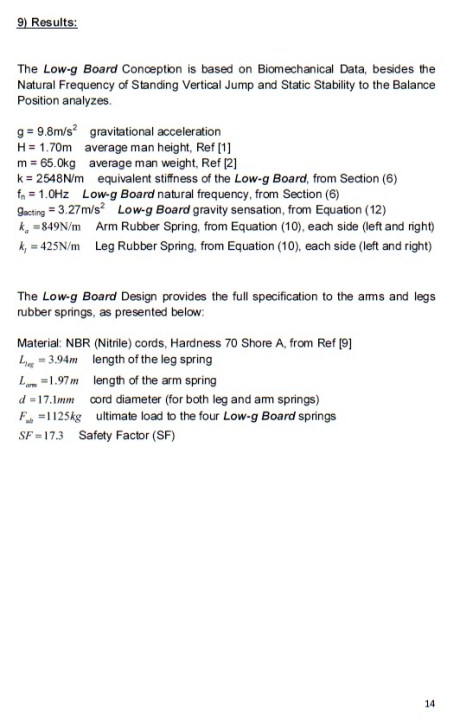
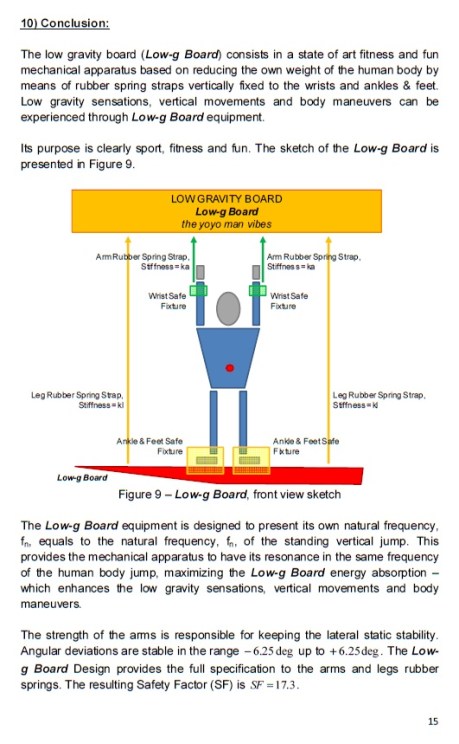
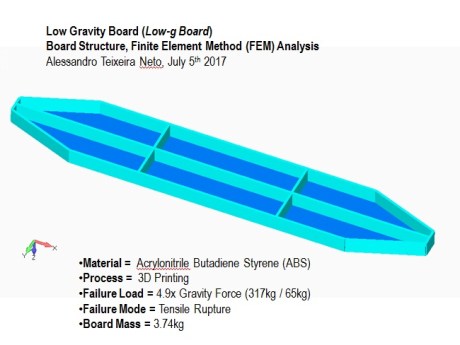
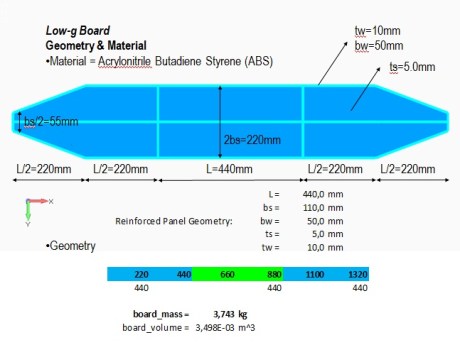
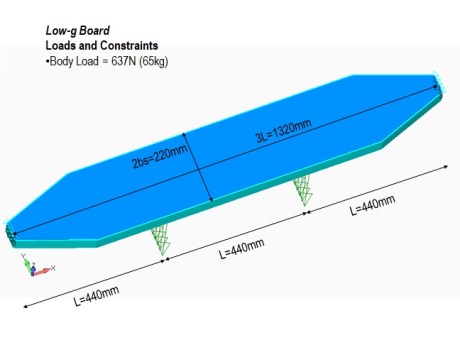
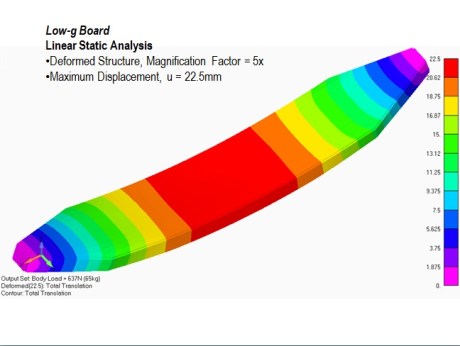
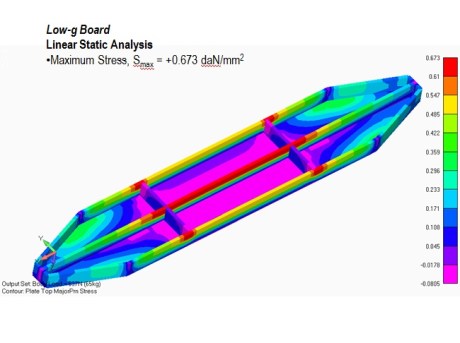
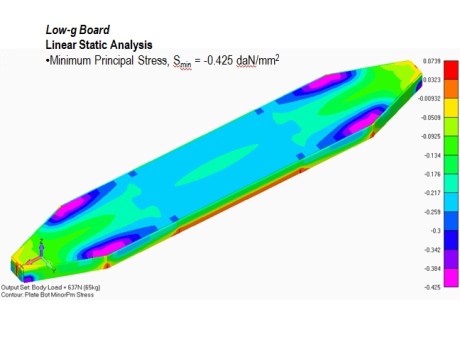
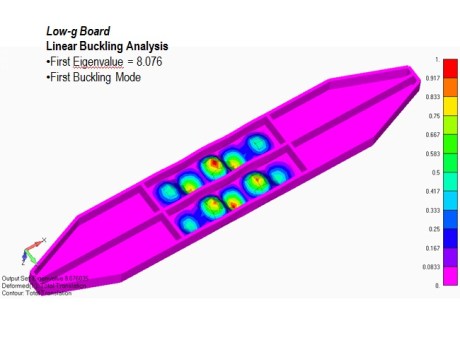
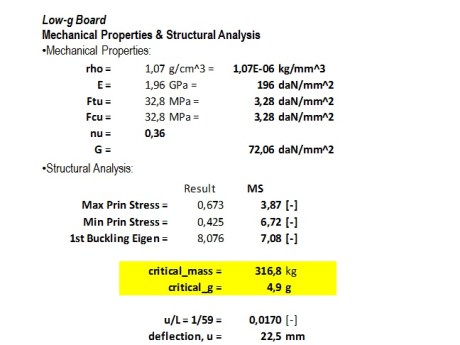
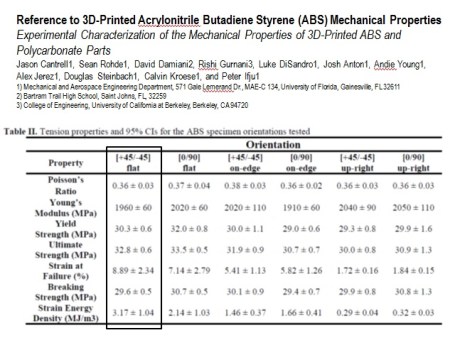
## download the PDF files below ##
Cosmological Study
novembro 24, 2015
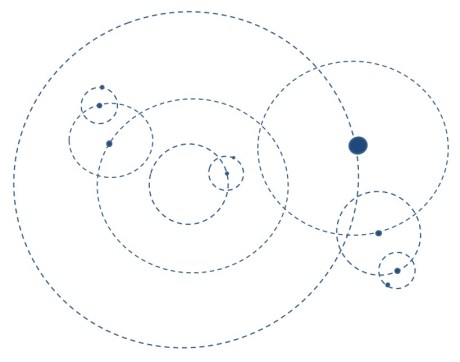
The objective of this cosmological study is an imaginary artistic conception of the universe. It is also a poetic interpretation of the orbit study previously presented. The orbit study is a two dimensional graphic representation of possibilities of a sphere revolving around its centre.
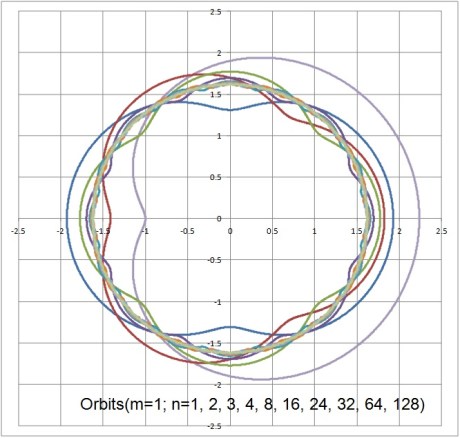
Each sphere has another sphere rotating around itself. This process is dynamic, evolving continuous translational and rotational (spin) movements. The abscissa represents the position of the sphere in x-direction, while the ordinate presents the position of the sphere in y-direction. The n parameter is characterized by the number of revolutions of an external sphere divided by the period of one complete translation around its centre. This number shall necessary be integer to assure the synchronism of the system and to provide its balance or equilibrium state.
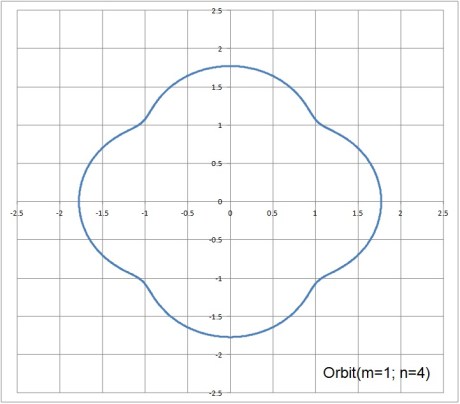
One can notice that the time is implicit in this two dimensional space representation of the orbit. Time is implicit in the sense that each n value represents the rotation by translation ratio providing an equilibrium state. Unitary n exactly represents one rotation of the external sphere per one translation of itself around the central sphere. Then n=4 describes an orbit with four rotations by one translation. Larger the n, more the orbit looks like and circumference with a large amount of small perturbations (due to the spin). Small the n, more the circumferential orbit presents a small number of large perturbations. All integer n from one to infinity characterize probabilistic orbits.
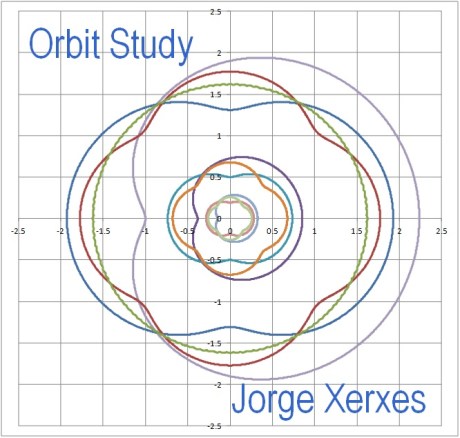
The m integer parameter is associated with the total energy – translational plus rotational energy – of the orbit. Smaller is the m, faster is the velocity, larger is the mass and larger is the energy of a specific sphere. Exactly in the opposite direction, greater is the m integer parameter, smaller is the velocity, smaller is the mass and smaller is the energy of the sphere. An important observation is that the m parameter is actually a scale factor, so the same relations are applicable to all of the spheres, from microcosm (large m) to macrocosm (small m), although they preserve the same shape of the orbits.
The matter orbits are interwoven with anti-matter orbits. So one matter sphere jumps from a specific energy state to a higher energy state (external) through the point in the two dimensional plane where its matter orbit intersects an anti-matter orbit. When a material sphere collides with an anti-material sphere both are disintegrated from their original orbits, implying in energy release. The matter sphere turns into an anti-matter sphere in its closest external anti-matter orbit, as well as the anti-matter sphere turns into a matter sphere around the next external matter orbit.
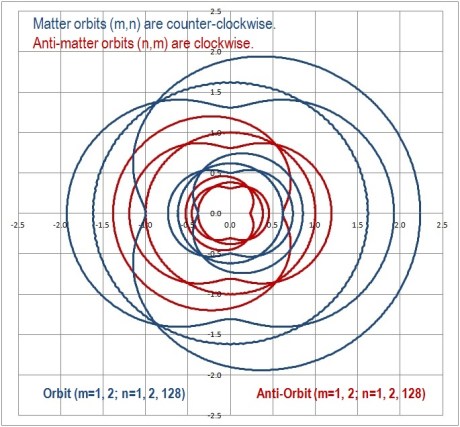
The total energy of the universe, considering both matter and its anti-matter counterpart, results in zero or in a very small amount since both (matter and anti-matter) orbits interchange their energies, counter-balancing themselves and keeping a smooth, almost stable pattern of arrangement. This pattern of arrangement can be imagined as an expanding universe depending on the Einstein cosmological constant or the zero total energy theories; or even in a cyclic inflating-deflating universe depending on a very low energy of almost zero frequency emanating from its centre. This quantum fluctuation or divine blow can be responsible for sustaining the whole picture.
Remembering the already mentioned scalability to the shape of the orbits, one can apprehend that all spheres (from above to below) are embedded, self-contained and dependent. So the macro-scale movements seems to be both, cause and result, from a complex matrix of energy interchange quantum fluctuations operated in extremely small micro-scales that are everywhere in the centre of the matter (and anti-matter), including me and you.
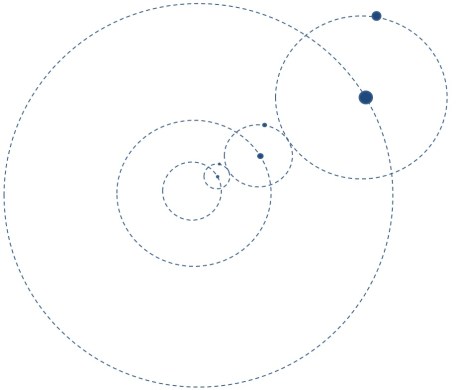
These almost zero probabilities (or choices) are summed up from below to above, generating peaks (matter) and crests (anti-matter) which alludes to a water drop falling on the flat and steady surface of a lake. This is our two dimensional conception of the universe.

Now, if one imagine the same orbits evolving into the three dimensional space (x, y and z; where the time is implicit), our universe will result in subsequent nestled shells of matter and anti-matter keeping their scalable shapes, where we inhabit a specific shell (a closed two dimension surface) and its thickness (plus the third dimension limited below by the Heisenberg Principle and above by the light velocity upper bound).

One can think of a very huge onion, where our material experience – the sky (air), the stars (fire), the whole Earth (earth) and the sea (water) – are confined inside a single onion layer. Although one must remember that, in a subtle way we still are not able to complete describe and apprehend, the larger and the small layers support each other and are inextricable through continuous dynamic interchanges.
Read also: https://jorgexerxes.wordpress.com/2015/11/12/orbit-study/
Jorge Xerxes, 24/n0v/2015
if You want to download the pdf file: cosmology_study_jorge_xerxes
Para Pescar a Lua – Free PDF
março 14, 2015
Define-se a constante matemática PI como a razão do perímetro pelo diâmetro da circunferência.
O dia anual de celebração da constante matemática PI é 14 de Março. Este dia foi o escolhido porque no padrão inglês adota-se mês/dia para a data, sendo que 3/14 representa também os três primeiros dígitos do pi em formato decimal.
Neste ano, em especial, 3/14/15 às 9:26:53.58979… o número irracional PI será representado exatamente com todos os seus infinitos dígitos!!
Isso pode parecer totalmente irrelevante para a humanidade, mas há quem se importe com isso.
E em homenagem a estes poetas visionários dos números estou disponibilizando nesta data tão significativa o meu segundo livro, intitulado ‘Para Pescar a Lua’, na íntegra, em versão pdf, para o download gratuito.
c3l38r3 c0n05c0!!
f0r73 48r4c0, j0r93 x3rx35
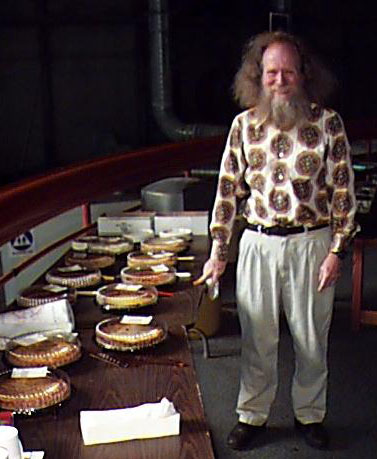
Larry Shaw, the founder of PI Day, at the Exploratorium in San Francisco
Para_Pescar_a_Lua_Jorge_Xerxes_Capa Para_Pescar_a_Lua_Jorge_Xerxes_Livro
As 50 Primeiras Criaturas (Free PDF Download)
março 14, 2014

Hoje é o dia Pi, a data anual de celebração à constante matemática Pi. O Pi é definido como a circunferência de um círculo dividida pelo seu diâmetro. O dia 14 de Março foi escolhido para a celebração anual em virtude de o anotarmos por 3/14 no padrão estadunidense mês/dia de formatação de data.
Vale observar que 3, 1 e 4 são os três primeiros dígitos significativos da constante Pi. E no próximo ano, 2015, o dia Pi será ainda mais especial, pois 3/14/15 at 9:26:53 a.m. e 3/14/15 at 9:26:53 p.m. teremos a data e a hora representando os 10 primeiros dígitos significativos da constante matemática em seu formato decimal.
Para comemorarmos o dia Pi, estou disponibilizando gratuitamente meu primeiro livro “As Cinquenta Primeiras Criaturas” na íntegra em formato digital pdf para o download. Basta acessar os arquivos abaixo, fazer as suas cópias e boa diversão!
(capa)_Jorge_Xerxes_As_50_Primeiras_Criaturas
(miolo)_Jorge_Xerxes_As_50_Primeiras_Criaturas
Para saber como adquirir o livro físico, acesse o link para Descrição dos Dejetos:

